Beyond the Kitchen: How African Women Have Always Been Leaders, Warriors, and Builders
Challenging the myth that African women were historically confined to domestic roles by exploring centuries of women who ruled, fought, traded, and shaped the continent.
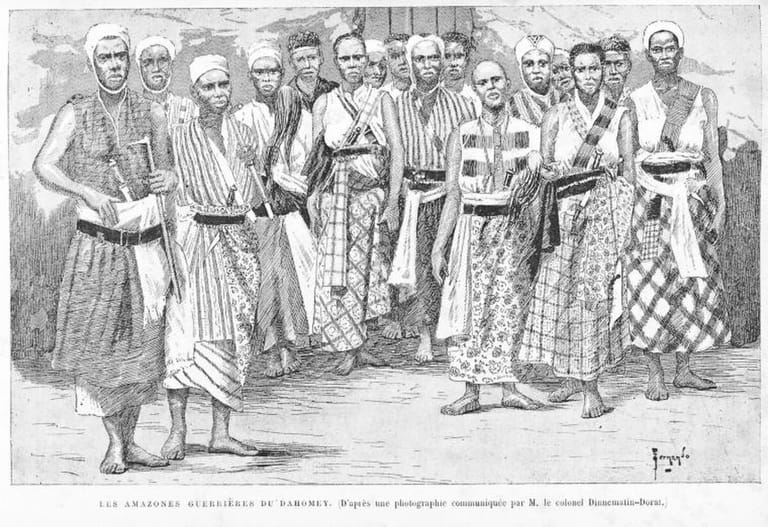
If you ask most people to name great African leaders from history, the names that come up are almost always men. Kings, warriors, freedom fighters. But the truth is that African women have always been leaders, warriors, diplomats, and builders. Their stories were not absent from history. They were removed from it, deliberately or carelessly, and it is time to put them back.
The myth of women in the background
There is a widespread idea that in traditional African societies, women stayed at home while men handled politics, war, trade, and leadership. This is not accurate.
Before European colonialism reshaped the continent, many African societies had systems that gave women significant political and economic power. Women ruled kingdoms. Women led armies. Women controlled markets and trade routes. Women held religious and spiritual authority. The idea that African women were always in the background is a historical lie, and it has real consequences for how girls today see themselves and their possibilities.
Women who ruled
Nzinga of Ndongo and Matamba is one of the most remarkable leaders in African history, full stop. In the 1600s, she led resistance against Portuguese colonisation in what is now Angola. She was a brilliant military strategist, a skilled diplomat, and a political leader who held power for over 30 years. She negotiated with European powers as an equal. When the Portuguese tried to humiliate her during a meeting by offering her no chair, she had one of her attendants kneel so she could sit at the same level as the Portuguese governor. She refused to be diminished.
Yaa Asantewaa was the Queen Mother of Ejisu in the Ashanti Empire. In 1900, when the British demanded the Golden Stool, the symbol of Ashanti power, and the men in the court hesitated, Yaa Asantewaa stood up and declared: "If you the men of Ashanti will not go forward, then we will. I shall call upon my fellow women." She then led the war against the British. She was not a token or a symbol. She was a military leader.
The Lovedu people of southern Africa were ruled by a succession of Rain Queens, women who held supreme political and spiritual power. Their authority was respected across the region, and their reign lasted for centuries.
These are not exceptions or footnotes. These are central figures in African history who happened to be women.
Women who fought
The Dahomey Amazons, known in their own language as the Mino, were an all-female military regiment in the Kingdom of Dahomey, in present-day Benin. They were active from the 1600s to the late 1800s and were considered among the most feared fighters in West Africa. European soldiers who faced them in battle wrote about their discipline, skill, and ferocity.
Nehanda Charwe Nyakasikana was a spiritual leader in what is now Zimbabwe who became a central figure in the First Chimurenga, the 1896 uprising against British colonial rule. She was captured and executed, but her legacy inspired the Second Chimurenga decades later and remains one of the most important symbols of Zimbabwean resistance.
During the anti-apartheid struggle in South Africa, women like Lilian Ngoyi and Albertina Sisulu were on the front lines. Ngoyi was the first woman to be elected to the executive committee of the African National Congress. Sisulu was arrested, banned, and harassed for decades but never stopped fighting. Winnie Madikizela-Mandela endured imprisonment, solitary confinement, and exile while keeping the anti-apartheid movement alive during the years her husband was in prison.
These women were not supporting characters. They were warriors, strategists, and leaders in their own right.
Women who built economies
Across West Africa, women have historically been the backbone of trade and commerce. In Nigeria, Ghana, Togo, and Benin, market women controlled vast trading networks, moving goods across regions and accumulating significant wealth and influence.
Margaret Ekpo rose from a market woman background to become one of Nigeria's most powerful political figures. She understood that economic power and political power were connected, and she fought for both.
In many African societies, women did not just participate in the economy. They ran it. The image of the "African market woman" that gets used sometimes as a quaint cultural reference actually represents centuries of female economic leadership that built wealth, fed communities, and kept societies functioning.
What happened?
If African women were this powerful, how did they end up being seen as secondary?
Colonialism is a large part of the answer. European colonisers brought their own ideas about gender with them. In Victorian-era Europe, women were considered subordinate to men in almost every area of life. Colonial governments imposed that worldview on Africa. They gave land titles to men. They appointed men as leaders. They set up schools for boys first. They created legal systems that treated women as dependents.
Over time, many of these colonial impositions became confused with African tradition. People started saying "it's our culture" about practices that were actually introduced or intensified by colonialism. The irony is deep: some of the gender norms that are now defended as authentically African were actually imported by the same European powers that colonised the continent.
The writing of history also played a role. For a long time, African history was written primarily by European men who either did not notice women's contributions or did not think they were worth recording. When independence came and African historians began reclaiming their own narratives, the focus often remained on male leaders, partly because colonialism had already pushed women to the margins.
Why this matters now
Understanding that African women have always been leaders and builders is not just interesting history. It has practical consequences.
It changes the conversation about gender. When someone says that women in leadership is a "Western idea" being imposed on Africa, the historical record says otherwise. African women were leading long before contact with Europe. It is the restriction of women's roles that is often the real foreign import.
It gives girls a deeper sense of identity. Knowing that women who looked like you ruled kingdoms, led armies, and built economies is not a small thing. It provides a foundation for confidence that goes beyond individual achievement. It says: this is who we have always been.
It challenges the idea that progress means copying the West. Africa has its own rich history of women's power. Drawing on that history is not going backward. It is reclaiming something that was taken.
What to take away
- African women have always been leaders, warriors, traders, and builders. The idea that they were confined to domestic roles is historically inaccurate.
- Women like Nzinga, Yaa Asantewaa, Nehanda, and the Dahomey Amazons were central figures in African history, not exceptions.
- Colonialism played a major role in restricting women's power in Africa, and many "traditional" gender norms were actually imposed or deepened by European rule.
- The history of women being erased from the record does not mean they were not there. It means we need to look harder and tell their stories louder.
- African girls today are heirs to a tradition of female power that stretches back centuries. That history belongs to them.
The kitchen was never the whole story. It was never even most of the story. African women have been shaping this continent since the beginning, and when we remember that, we remember who we really are.