Wikimedia Commons
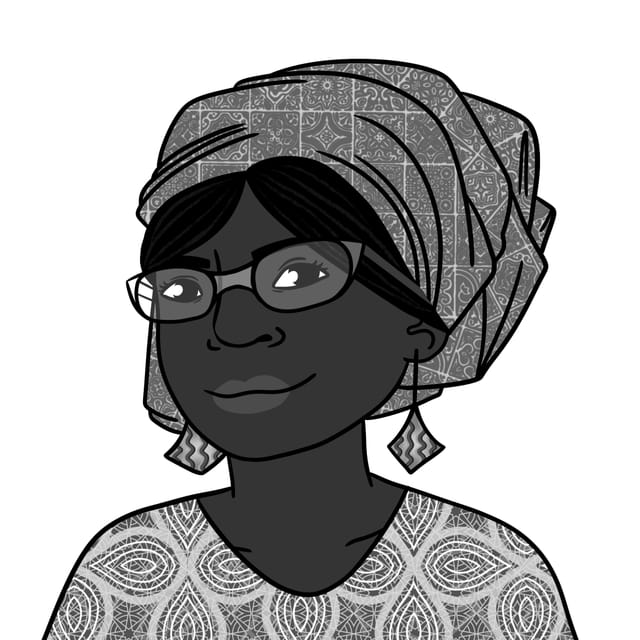
Flora Nwapa
First African woman novelist published in Britain (Efuru, 1966). Founded Tana Press and served as commissioner; called the 'Mother of Modern African Literature'.
Biography
Flora Nwanzuruahu Nkiru Nwapa was born on 13 January 1931 in Oguta, in what is now Imo State, Nigeria. She studied at University College Ibadan and earned a Diploma in Education from the University of Edinburgh. She worked as a teacher and education officer before turning to writing and publishing.
In 1966 her first novel, Efuru, was published by Heinemann, making her the first African woman novelist to be published in English in Britain. She went on to write novels, short stories, and children's books that centred Igbo women's lives and traditions.
Historical Context
Nwapa wrote in the years around Nigerian independence and after the Biafran War (1967–1970). African literature in English was still dominated by male authors and overseas publishers. She insisted on telling women's stories and on building African-owned publishing so that African voices could be heard without depending on foreign gatekeepers.
What She Fought For
Flora Nwapa fought for women's visibility in literature and for African control of African stories. She did not call herself a feminist but portrayed Igbo women with complexity and respect. In 1974 she founded Tana Press in Nigeria, one of the first publishing houses run by an African woman, and later Flora Nwapa Company, to publish African writers and promote women in society.
After the war she served as Commissioner for Health and Social Welfare in East Central State, working on reconstruction and with orphans and refugees. She held the chieftaincy title Ogbuefi, traditionally reserved for men.
Major Achievements
- First African woman novelist to be published in English in Britain (Efuru, 1966)
- Founded Tana Press (1974) and Flora Nwapa Company, among the first African women-owned publishers
- Commissioner for Health and Social Welfare, East Central State (post–Biafran War)
- Author of Efuru, Idu, Never Again, One Is Enough, Women Are Different, and children's books
- Honoured as "Mother of Modern African Literature"
Her Impact Today
Flora Nwapa opened the door for generations of African women writers. Her work is studied worldwide, and her publishing legacy helped create space for African literature on the continent. She is remembered for centring women's lives and for building institutions that let African stories be told by Africans.
Sources: Wikipedia (Flora Nwapa), Encyclopædia Britannica, Encyclopedia.com
Know an African woman whose story should be here?
Suggest a woman