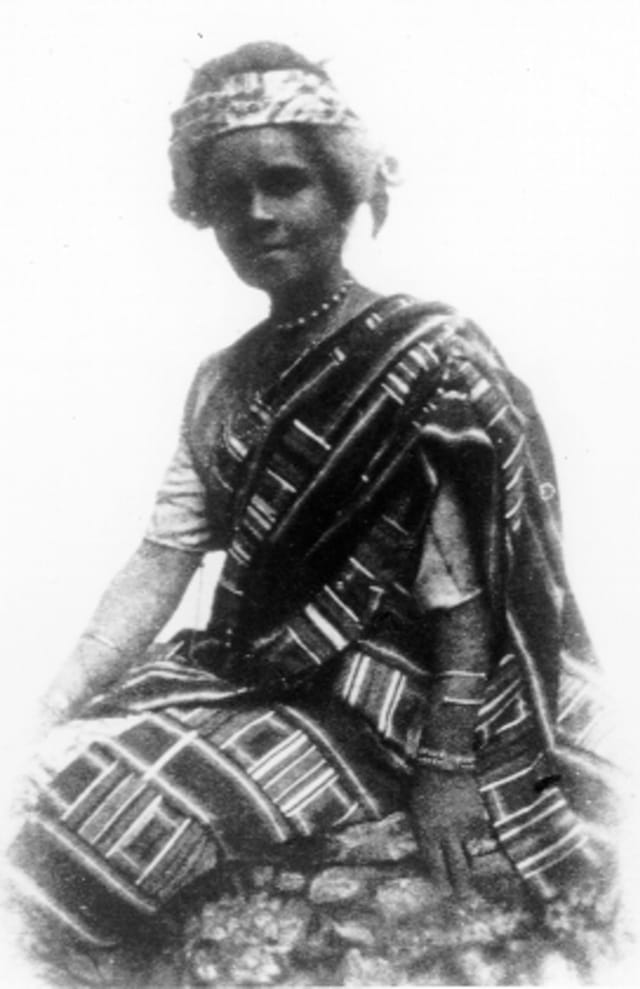
Wikimedia Commons / Public Domain
Adelaide Casely-Hayford
Sierra Leonean educator, Pan-Africanist and women's rights advocate who founded a vocational school for girls at a time when girls' education was considered unnecessary. She spent decades teaching African women that their culture, identity and intelligence were things to be proud of, not erased.
Biography
Adelaide Smith Casely-Hayford was born on 27 June 1868 in Freetown, Sierra Leone, into the Krio community of freed slaves and their descendants. She was educated in England and Germany, studying music and becoming an accomplished pianist. She returned to West Africa and married the Ghanaian lawyer and Pan-Africanist Joseph Ephraim Casely-Hayford.
After their separation she returned to Freetown and devoted herself to education. In 1923 she founded a Girls Vocational and Industrial School in Freetown, offering practical training to girls who had no access to formal education. The school taught trades, crafts and household management alongside academic subjects, giving girls skills they could use to earn a living independently.
She travelled to the United States in the 1920s to raise funds for the school and connected with prominent figures in the Harlem Renaissance and the Black American intellectual community. She was deeply influenced by, and influential to, the Pan-African movements on both sides of the Atlantic.
What She Fought For
Casely-Hayford fought against the colonial education system's tendency to Europeanise African children and strip them of pride in their own identity. She believed African girls should be educated in a way that honoured their culture and gave them real economic independence, not just trained them to become obedient wives or domestic servants.
She wrote and spoke about the dignity of African women, the importance of African cultural identity, and the connection between education and freedom at a time when most colonial administrators considered those ideas dangerous.
Major Achievements
- Founded the Girls Vocational and Industrial School in Freetown, Sierra Leone (1923)
- Pioneer of women's education in West Africa during the colonial period
- Key figure in Pan-African intellectual networks connecting West Africa with Black America
- Author of a memoir, Memoirs and Memories (1953)
- One of the earliest African women to argue publicly for female education and cultural pride
Her Impact Today
Adelaide Casely-Hayford was educating African girls and defending African identity a full century ago. She did it when the colonial system was actively working against both. Her school gave generations of Sierra Leonean women skills and self-respect. Her ideas about cultural identity and education were ahead of her time and remain relevant.
Sources: Wikipedia (Adelaide Casely-Hayford), Memoirs and Memories (1953), Pan-African Archives
Know an African woman whose story should be here?
Suggest a woman