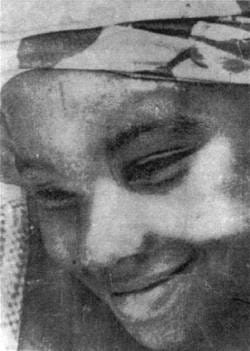
Wikipedia / Fair use
Aline Sitoé Diatta
Diola spiritual leader in Casamance, Senegal, who led resistance against French colonial rice requisitions during World War II. Arrested and deported to Timbuktu, where she died at 24.
Biography
Aline Sitoé Diatta was born in 1920 in Kabrousse, a village in the Casamance region of southern Senegal, among the Diola people. She moved to Dakar as a young woman to find work, but returned to Casamance in 1942, claiming she had received spiritual visions instructing her to resist French colonial policies.
She was young, she was a woman, and she spoke with an authority that the French administration found impossible to ignore.
Historical Context
During World War II, the Vichy French administration in Senegal imposed heavy rice requisitions on the Casamance region to feed the war effort. The Diola people, for whom rice was both a staple food and a sacred crop, were forced to hand over their harvests while their own families went hungry. The French also demanded forced labour and military conscription.
What She Fought For
Aline Sitoé Diatta called on the Diola to refuse the rice requisitions. She performed rain ceremonies, revived traditional religious practices, and told her people they did not need to obey the French. She preached that the ancestors would protect those who resisted.
Her message spread rapidly through the villages of Casamance. Thousands of people stopped complying with French demands. The colonial administration panicked. In 1943, French soldiers arrested her.
She was deported to Timbuktu, in modern-day Mali, far from her home and her people. She died there on 28 May 1944, aged 24. The exact cause of her death remains disputed.
Major Achievements
- Led mass non-compliance with French colonial rice requisitions in Casamance
- Revived Diola religious practices as a form of political resistance
- United villages across the region in collective refusal of colonial demands
- Recognised as a national heroine of Senegal
Her Impact Today
Aline Sitoé Diatta is one of the most revered figures in Casamance and across Senegal. The ferry connecting Dakar to Ziguinchor is named after her. Streets, schools, and monuments bear her name. She is called the "Joan of Arc of Casamance," though she would have had no use for the comparison.
She was 24 when she died. She had accomplished more in two years of resistance than many leaders manage in a lifetime.
Sources: Wikipedia (Aline Sitoé Diatta), Senegalese National Archives, Robert Baum, Shrines of the Slave Trade
Know an African woman whose story should be here?
Suggest a woman