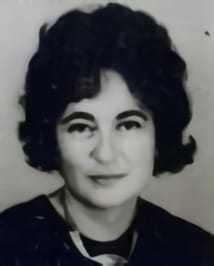
Wikimedia Commons / Public Domain
Ruth First
Anti-apartheid activist, journalist, and scholar. Exposed apartheid brutality through writing; assassinated by letter bomb in Mozambique in 1982.
Biography
Heloise Ruth First was born in 1925 in Johannesburg, South Africa, to Jewish immigrant parents who were founding members of the Communist Party of South Africa. She studied at the University of the Witwatersrand, where she met activists including Nelson Mandela and Joe Slovo, whom she later married.
She became a journalist and used her writing to document and oppose apartheid. She worked on the left-wing newspaper The Guardian (later New Age) and investigated forced labour, pass laws, and state violence. Her work made her a target of the regime.
Historical Context
From the late 1940s, the National Party government entrenched apartheid through law and force. Resistance was met with bans, arrests, and censorship. Ruth First reported on trials, strikes, and repression. She was listed as a communist, detained without trial, and went into exile. In the 1960s and 1970s she continued her activism and scholarship from the United Kingdom and later Mozambique.
What She Fought For
Ruth First fought for a non-racial, democratic South Africa and for the right to speak and write freely. She exposed the workings of apartheid through journalism and later through academic research. She was involved in the Congress of Democrats (allied to the ANC) and in underground resistance. In exile she taught and wrote about southern African politics and development.
Major Achievements
- Investigative journalist exposing apartheid labour practices and repression
- Accused in the 1956 Treason Trial; charges dropped
- Detained for 117 days in 1963 under the 90-day detention law
- Went into exile; continued writing and teaching
- Author of South West Africa and other works on southern Africa
- Assassinated by a letter bomb in Maputo, Mozambique, on 17 August 1982
Her Impact Today
Ruth First is remembered as a brave journalist and intellectual who used her skills to oppose apartheid. The Ruth First Educational Trust and the annual Ruth First Memorial Lecture honour her legacy. Her assassination is a reminder of the cost paid by those who challenged the apartheid state.
Sources: Wikipedia (Ruth First), South African History Online
Know an African woman whose story should be here?
Suggest a woman