Feminism Is About Equality, Not Hating Men
Why the idea that feminism means hating men is a misunderstanding, and why the history of African women's movements matters.
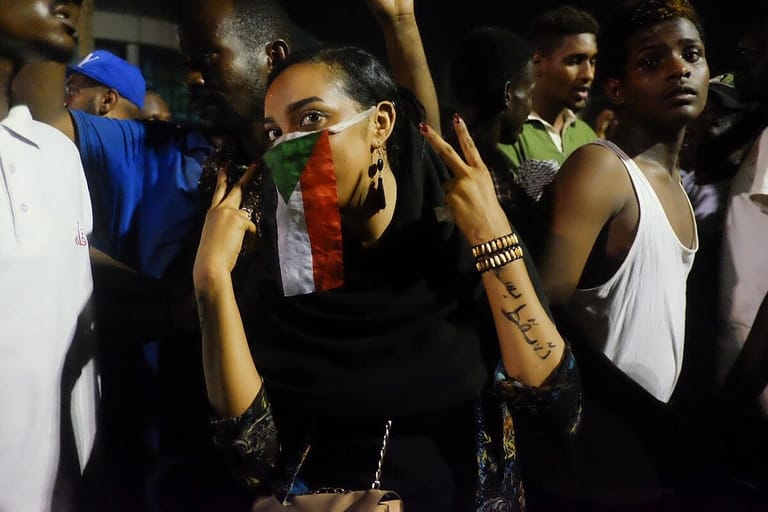
It's common to hear women say things like: "I'm not a feminist, I like men," or "I'm not a feminist, the men around me are nice." The underlying assumption is that feminism is about disliking men or rejecting romantic relationships. But that's not what feminism is.
Feminism is the belief in the social, political, and economic equality of women. The fact that many women today can go to school, work, vote, and speak in public didn't happen by chance. It came from long, hard struggles by women who fought for those rights. It's ironic when people benefit from those gains and still dismiss feminism out of misunderstanding or ignorance.
Women like Gambo Sawaba were imprisoned, beaten, and publicly humiliated for demanding basic rights for women in Nigeria. Many others across the world paid a similar price. Whether someone calls themselves a feminist is a personal choice, but reducing feminism to "hating men" ignores that history and undervalues the sacrifices that made many of our freedoms possible.
Why do people think feminism is anti-men?
A lot of that impression comes from how the movement is represented, especially on social media, where the loudest or most extreme voices often get the most attention. Phrases like "men are trash" or broad generalisations about men are very visible online, even though many feminists don't agree with that framing. In Nigeria and elsewhere, a lot of modern feminist language also comes from Western contexts and can clash with local ideas about family and gender roles, so people sometimes read it as an attack on men rather than criticism of certain systems. And because many campaigns focus on harassment and abuse, where the main perpetrators are often men, some people end up feeling that the movement treats men mainly as villains.
So yes: the idea that feminism is "anti-men" has been reinforced by how some modern activism is amplified. But that doesn't change what feminism actually is, or what it has historically been.
The frustrations women express don't come from nowhere
Every day we hear about rape, assault, and harassment, and the perpetrators are overwhelmingly men. When women say they're afraid to walk alone at night, that fear isn't invented; it's shaped by lived experience and real patterns in society. Acknowledging that pattern isn't the same as saying all men are bad. It's recognising a problem that needs to be addressed.
And feminism didn't start on the internet. Long before social media, women in Nigeria and across Africa were organising, protesting, and risking their freedom. Funmilayo Ransome-Kuti and Gambo Sawaba were fighting real structural issues: colonial taxation, political exclusion, women's education, and the right to be heard in public life. It's ironic that Ransome-Kuti is often remembered mainly as "the first woman to drive a car in Nigeria" when in reality she led major protests and fought for women's political representation. Reducing feminism to a few loud voices online ignores both that history and the realities that still make the movement necessary.
Structure, not permanent hostility
In many ways, feminism has always been a fight in relation to structures that were controlled by men: politics, leadership, economic power. Those spaces were male-dominated, so the resistance women faced often came from men. There's nothing wrong with admitting that.
The goal of feminism, though, has never been permanent hostility toward men. It has been dismantling the structures that kept women out, so that equality can replace exclusion.
Where things get messy today is when the structural fight gets mixed up with language that sounds like hostility toward men in general. Once it starts sounding as if "men as a whole" are the enemy, people stop hearing the equality argument and only hear resentment, and that can hurt the cause.
Safety and bodily autonomy are part of women's rights
It's sometimes said that "women being afraid to walk alone at night" is a separate topic from "women's rights." But personal safety and bodily autonomy have always been central to women's rights movements around the world. The ability to exist in public spaces without fear is part of equality.
From one angle, a single act of harassment can be seen as a conduct issue, one person behaving badly toward another, and from a legal or HR standpoint it's often treated that way: a breach of rules or law by an individual. But from another angle, the pattern of who is targeted, who is afraid, and who is denied the freedom to move safely is a structural issue. Feminism is about both: holding individuals accountable and changing the systems that allow such patterns to persist.
What to take away
- Feminism is about equality: social, political, and economic, not about hating men.
- The freedoms many women have today were won by women who fought, and often suffered, for them.
- How feminism is represented online can distort what it is; history and principle matter more than the loudest tweets.
- The goal is to change structures and norms, not to treat men as a permanent enemy.
- Safety and bodily autonomy are part of women's rights, not a side issue.
Whether or not someone chooses the label "feminist" is up to them. But understanding what feminism actually is, and honouring the women who fought for the rights we now enjoy, is something we can all do.